The Éllanno making process is not simply a process — it is a practice of restraint, care, and intent. Each garment is slowly shaped, where nature’s rarity is refined through human hands and quiet precision.
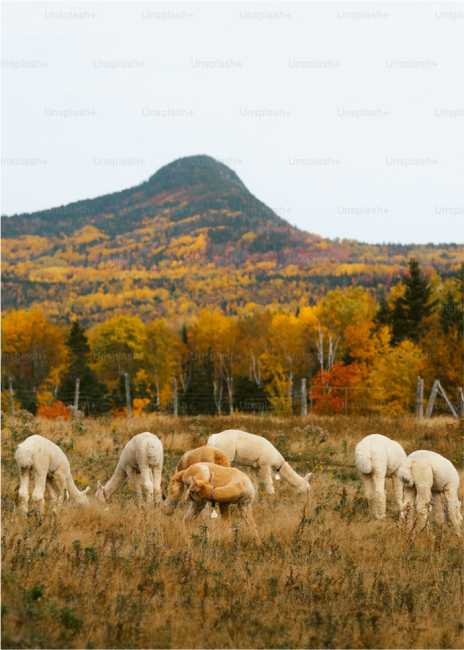
Shearing happens only once annually, performed gently and always by hand. Only the excess fleece is removed, keeping the animal cool and comfortable through the warmer months. The act is not mechanical but ritualistic: a gesture of gratitude, where the alpaca’s comfort comes before yield.
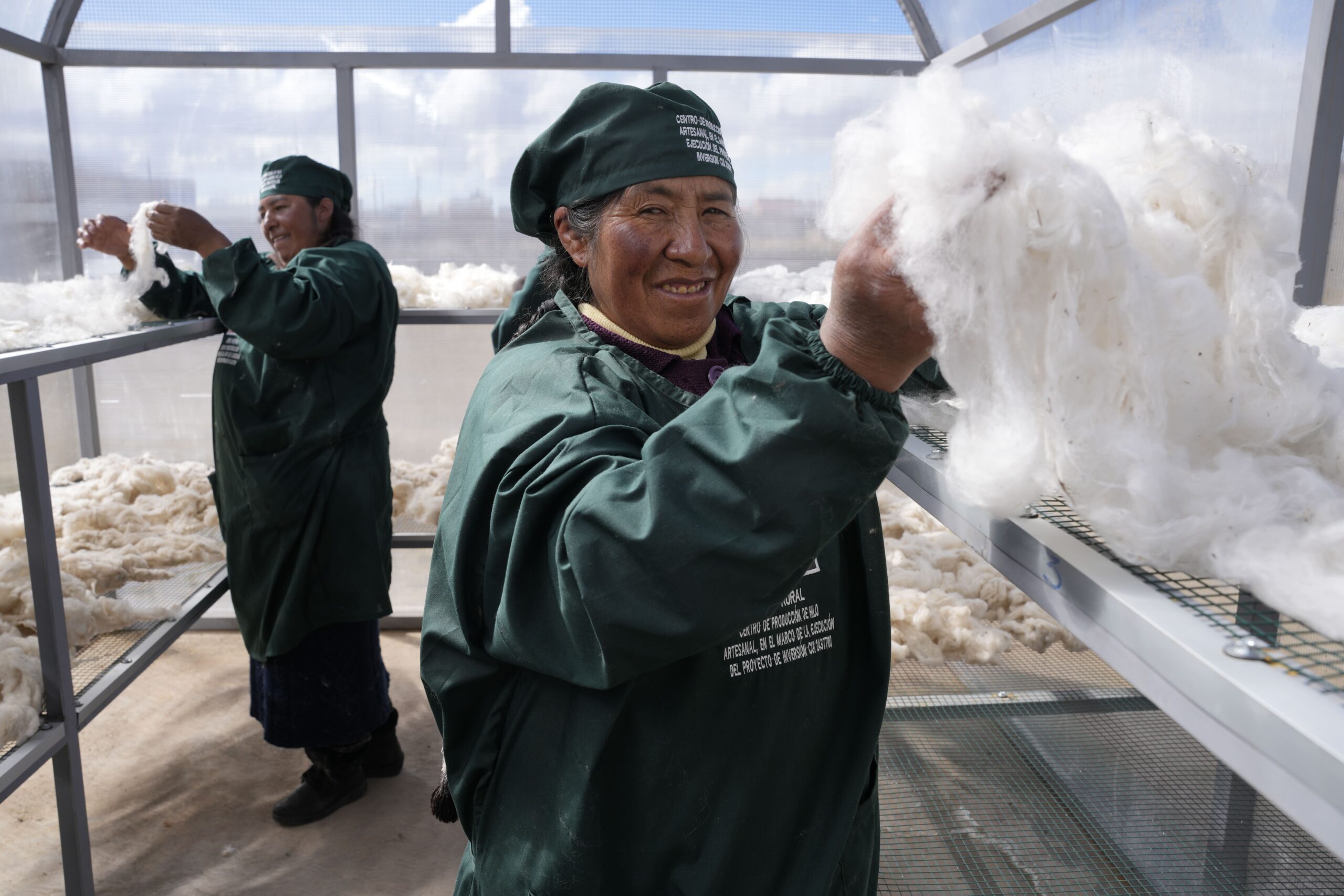
After shearing, artisans sort the fleece with patience and expertise. Fibers are separated by type (Baby Alpaca, Suri), by fineness (micron count), and by shade (ivory, camel, grey, brown). Only the rarest strands — those with softness, sheen, and strength — are chosen. This quiet curation ensures that every Éllanno garment begins from the finest nature can offer.
Fiber education
The selected fleece is cleansed using a low-water process with botanical saponins from an Andean soapwood, preserving the fiber’s natural softness. Washing is not erasure; it is preservation — leaving the fiber weightless and true. What remains is purity: a fiber that still carries the memory of land, animal, and origin
Care as ritual
Most fibers remain in natural shades — ivory, camel, charcoal — while select pieces are colored with botanical dyes drawn from Peruvian plants and flowers, applied with restraint so the fiber’s character remains. Color is always restrained, never loud.
From here, the transformation continues through human touch. Spinners, weavers, and knitters move with measured rhythm, passing knowledge preserved over generations. Their mastery is not about speed but about presence. Every detail is considered, so what you hold is not just made — it is composed.
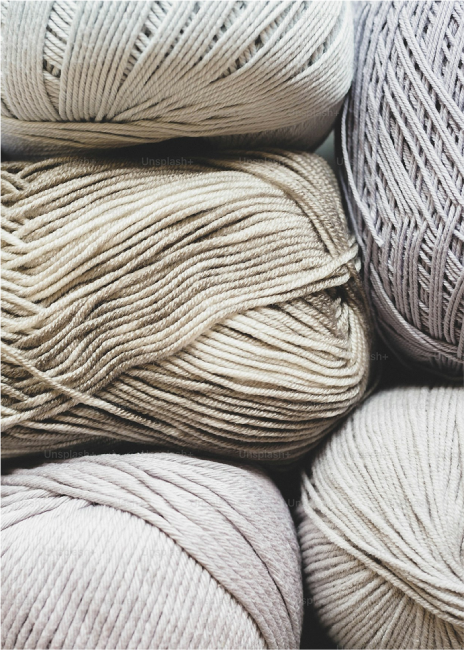
Some fibers are spun into yarns, twisted with precision to preserve softness and strength. These yarns become sweaters, scarves, gloves, and shawls, with each technique carrying intention: jersey for simplicity, rib for resilience, cables for sculptural depth, and openwork for lightness.
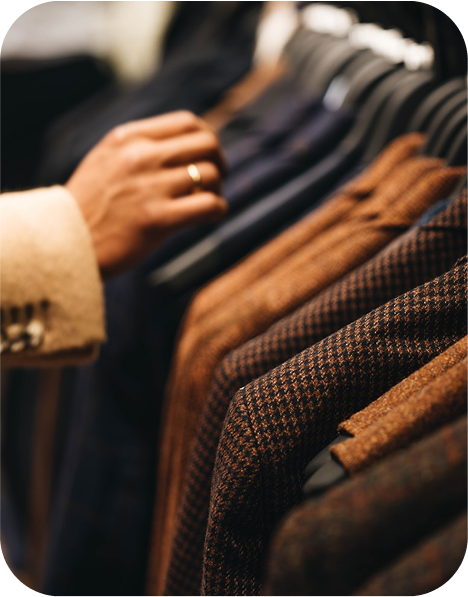
Other fibers are woven into noble fabrics such as bouclé, velour, zibeline, and reversible blends. Each textile is chosen for its weight, drape, and feel. Brushing, pressing, or velveting refine the cloth not to disguise, but to reveal character. These fabrics become the foundation for coats, blazers, and tailored silhouettes that balance softness with structure.
Before cutting and assembly, every batch is checked for handfeel consistency, pilling resistance (Martindale), dimensional stability, and shade harmony. Only once these standards are met do panels get cut and forms begin to take shape.
Panels of fabric or knit are cut with proportion and precision. Tailors stitch and assemble slowly, ensuring seams are balanced and edges perfected by hand. Buttons, linings, and trims are added with restraint — never as decoration, but as completion. The result is a garment composed in silhouette and enduring in presence
Craftsmanship is combined with modern exactness. Each stage of making is independently documented and reviewed. For certifications and specifics, see our Sustainability page.
Every decision in the making process is made with one purpose: to create garments that embody composure, season after season. What begins as fiber continues with intent — until it rests with you as something quietly enduring.